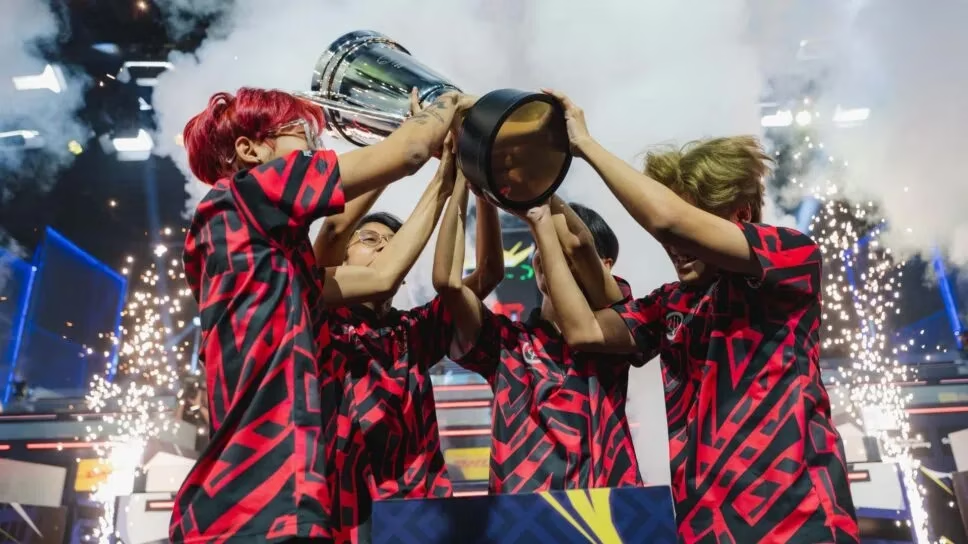
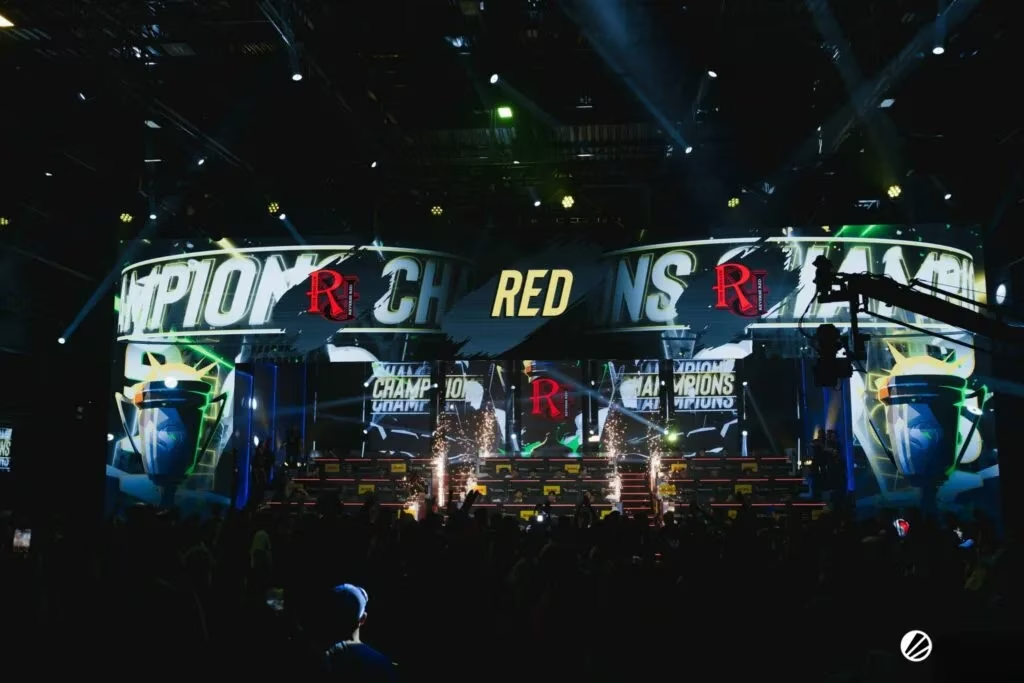
Back in 2024, Thailand was once again at the top of Free Fire esports. Reverse Red walked away as champions of the Snapdragon Mobile Masters Free Fire competition, a stop on the ESL Snapdragon Pro Series circuit, and the result felt like more than a single good weekend. The Thai squad took home $60,000 and a place at the Esports World Cup. Fluxo, the runner-up, also secured a spot in the Saudi Arabian competition. The event took place in São Paulo at Komplexo Tempo, sharing the stage with the Call of Duty: Mobile tournament. Looking back from 2026, the run still stands out as a clean example of how consistency, aggression, and kill pressure can separate a champion from a team that merely has one hot day.
A Consistent Two-Day Run
Reverse Red did not win by chasing chaos. They won by controlling it. Across two days and 12 rounds, the team collected four Booyahs, and that steadiness mattered more than any single explosive match. In a lobby filled with regional qualifiers and experienced rosters, the Thai team kept finding ways to stay near the top of the standings. They were not forced to rely on one miraculous comeback. Instead, they built a case round after round.
That is often the difference in Free Fire. A team can pop off for one match and grab headlines, but winning a multi-day event requires a different kind of discipline. Reverse Red showed that discipline without becoming passive. They still took fights. They still generated pressure. They simply did it with enough structure to avoid the wild swings that pulled other teams down the table.
The Kill Gap Tells the Story
What stood out most in the Reverse Red title was the team’s comfort in terms of numbers relative to the other teams. The Thai squad finished with 127 kills, a figure that was much higher than Fluxo’s kill count. The closest team in that category was JV E-Sport, another Thai roster. That detail says a lot about the depth of Thai Free Fire at the time. It also explains why Reverse Red were so difficult to contain. They were not just surviving into the late game. They were actively removing opponents from it.
Here is a quick snapshot of the key outcomes:
| Team | Region | Notable outcome |
|---|---|---|
| Reverse Red | Thailand | Champion, $60,000, Esports World Cup spot |
| Fluxo | Brazil | Runner-up, Esports World Cup spot |
| JV E-Sport | Thailand | Closest to Reverse Red in kills |
| Miners.gg | Brazil | 10th place despite high expectations |
-
🏆 Champion: Reverse Red
-
🥈 Runner-up: Fluxo
-
💰 First prize: $60,000
-
🌍 Esports World Cup spots: Reverse Red and Fluxo
-
🎯 Reverse Red kills: 127
-
🔁 Reverse Red Booyahs: four in 12 rounds
The leaderboard also included Fluxo, LOUD, Miners.gg, Team Solid, Alfa 34, INTZ, Buriram United Esports, JV E-Sport, CGGG, RRQ Kazu, Reverse Red, and Indostars. Some of those names carried strong regional reputations into the event. That made Reverse Red’s margin feel more impressive. The lobby was not short on talent, and the Thai team still found a way to make the competition look like a chase.
Miners.gg’s Rough Ride
One of the disappointments of the competition was Miners.gg. The Brazilian team had won Mobile Challenge LATAM, a qualifying competition for this event, and arrived with experienced names in the Free Fire scene such as Fernando “NANDO9” Fernandes and Gerson “GENERAL” Júnior. On paper, Miners.gg looked like a roster that could make a deep run. Instead, they finished in 10th place. That is esports. A qualifier win can build momentum, but it cannot guarantee that the same form will travel into a larger international lobby.
For Miners.gg, the result was a reminder that Free Fire events can punish teams quickly. A slow start can force a roster into desperate rotations. A few lost fights can turn a promising weekend into a damage-limitation exercise. Reverse Red avoided that trap. Miners.gg did not.
What the Result Meant in 2026
By 2026, the 2024 Snapdragon Mobile Masters has had time to settle into the broader Free Fire story. It remains a useful reference point rather than a live ranking. It showed that Thailand could produce teams with both firepower and patience. It showed that Fluxo could turn a runner-up finish into a major opportunity. And it showed that the Esports World Cup pathway could change the stakes of a regional event overnight.
The São Paulo setting added its own flavor. Komplexo Tempo hosted both Free Fire and Call of Duty: Mobile, giving the weekend a multi-title esports feel. For fans in the arena, there was plenty to watch. For the teams, there was prize money, pride, and a route to a bigger stage on the line. Reverse Red handled all of it better than anyone else.
In the end, the champion’s story was simple enough to explain and hard enough to execute. Reverse Red won four Booyahs, posted 127 kills, and stayed consistent across two days. They did not need a miracle. They needed a plan, and they followed it. That is why the Thai team left São Paulo with the trophy, the $60,000 prize, and a place at the Esports World Cup. 🏆