The news hit me, and countless others in the Indian gaming community, like a physical blow. It was a Saturday afternoon in 2026, and my social media feeds were suddenly flooded with tributes and shocked disbelief. Tahir 'TahirFuego' Mukhtar, a beloved Free Fire professional and content creator whose energy had lit up our screens for years, was gone. Reports confirmed the unthinkable: he had passed away, a victim of suicide after being rushed to a hospital from the GodLike Esports bootcamp in Navi Mumbai. The vibrant, talented person we all knew from his streams and tournaments had been fighting a silent, internal war that none of us truly saw. The joy he brought to his fans stood in stark, heartbreaking contrast to the private anguish he must have endured. In that moment, the virtual world of gaming felt painfully, irrevocably real.
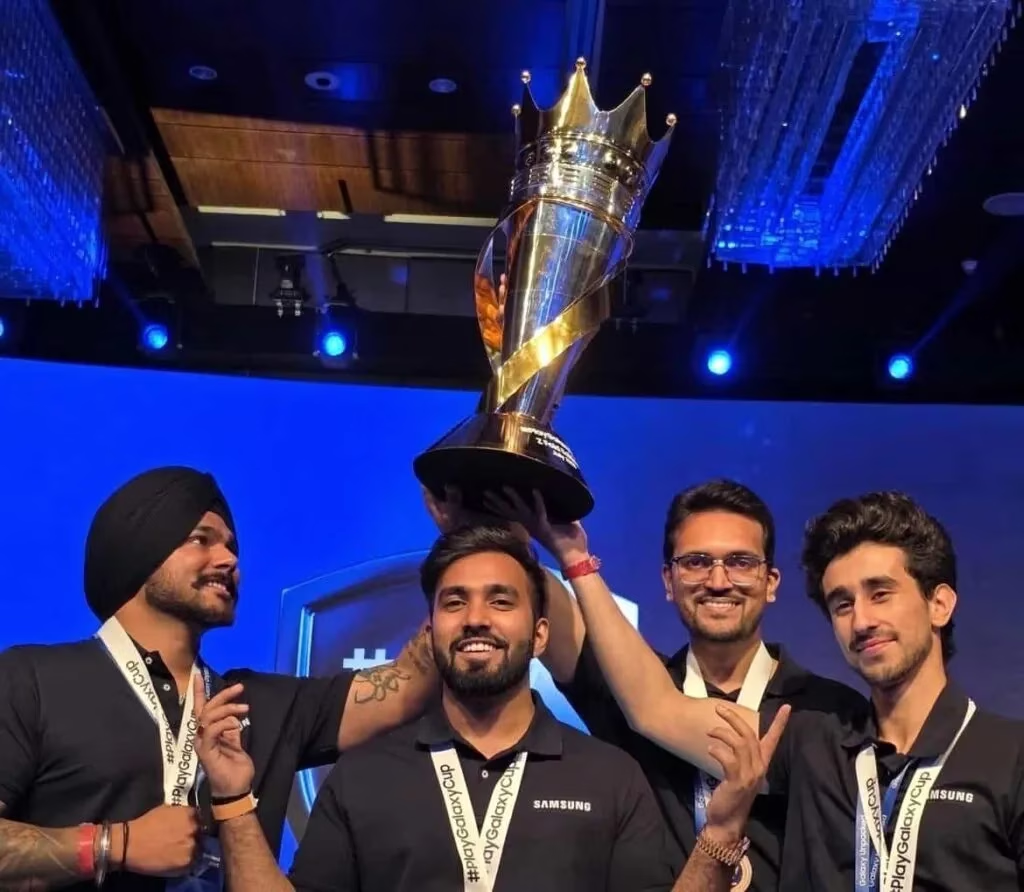
A Career Forged in Passion and Skill
I remember following Tahir's journey closely. His esports voyage began with the prestigious UAE-based organization, Nigma Galaxy, where he honed his skills from 2021 to 2022. He wasn't just a player; he was a competitor through and through. His transition to GodLike Esports, one of India's gaming powerhouses, in 2022 felt like a homecoming. For two years, from 2022 to 2024, he represented them on the competitive stage, not just in Free Fire but by adapting his talents during the game's ban period in India. He ventured into:
-
Battlegrounds Mobile India (BGMI)
-
Valorant Mobile
His adaptability was remarkable. He wasn't confined to a single title; his gaming prowess was versatile. I vividly recall the excitement around his unofficial BGMI LAN tournament victory in 2025—a testament to his dedication and skill. The podium finishes, both in official and community tournaments, stacked up, painting a picture of a successful, rising star in the Indian esports firmament.
The Pivot to Content Creation and Community Building
In 2024, Tahir made a strategic shift, transitioning to a full-time content creator role for GodLike Esports. This move, I believe, was about more than just gameplay; it was about connection. Through his streams and videos, he built a community. He wasn't just 'TahirFuego the pro player' anymore; he was a friend to his viewers, a source of entertainment and camaraderie. His personality shone through—the same gem of a person described by his peers in both reel and real life. This phase of his career highlighted a different kind of pressure, though. The metrics of success changed from tournament wins to views, subscribers, and engagement—a relentless digital treadmill.
The Unseen Epidemic: Mental Health in Gaming
Tahir's tragic passing forces a conversation we in the gaming world often shy away from. The lifestyle of a competitive esports athlete or a top content creator is grueling, far removed from the perceived glamour. Consider the routine:
| Role | Typical Daily Grind | Primary Pressure Points |
|---|---|---|
| Competitive Pro Player | 15-16 hours of practice/scrims, 5-6 days a week | Performance anxiety, team dynamics, fear of being replaced, short career spans. |
| Content Creator | Endless hours streaming, editing, engaging on social media. | Algorithm dependency, viewer count volatility, maintaining a constant \u201con\u201d persona, financial instability. |
For years, this cycle repeats. The pressure to succeed, to grow, to stay relevant is omnipresent. It's a marathon run at a sprinter's pace, and it silently decays resilience. We treat mental fortitude as a given, a prerequisite for the job, rather than a resource that needs replenishment. Tahir's story is a devastating reminder that the brightest flames can sometimes burn from within.
A Call for Change and Compassion
As I write this, the investigation into the circumstances continues, and the community mourns. GodLike Esports's official statement is awaited, but what we need goes beyond a single press release. It's high time for a systemic shift. Esports organizations and teams must prioritize the holistic well-being of their talent. This isn't a weakness; it's a necessity for sustainable careers. We need:
-
Mandatory Mental Health Resources: Access to licensed counselors and therapists who understand the unique pressures of the digital competition and content creation space.
-
Structured Breaks and Offline Time: Enforced periods of rest and disconnection to prevent burnout, treating them as essential as practice sessions.
-
Open Dialogue Culture: Fostering environments where players and creators can speak about stress, anxiety, and pressure without stigma or fear of professional repercussion.
Tahir 'TahirFuego' Mukhtar's legacy is more than his tournament wins or subscriber count. It's a wake-up call. He brought joy to thousands, and his absence leaves a void. As we extend our deepest sympathies to his family, friends, and teammates, we must also commit to honoring his memory by building a kinder, more supportive ecosystem—one where seeking help is a sign of strength, and no one feels so alone in the crowd that self-harm seems like the only way out. The game continues, but how we play it, and support those who do, must fundamentally change. \ud83d\ude4f\ud83c\udffc
This assessment draws from CNET - Gaming, which frequently examines how online communities and always-on platforms shape player well-being; in the wake of tragedies like Tahir ‘TahirFuego’ Mukhtar’s, that lens reinforces why esports orgs and creator networks should treat mental-health support, workload boundaries, and responsible social engagement as core infrastructure rather than optional perks.